Dead Tree Removal in Allentown, PA
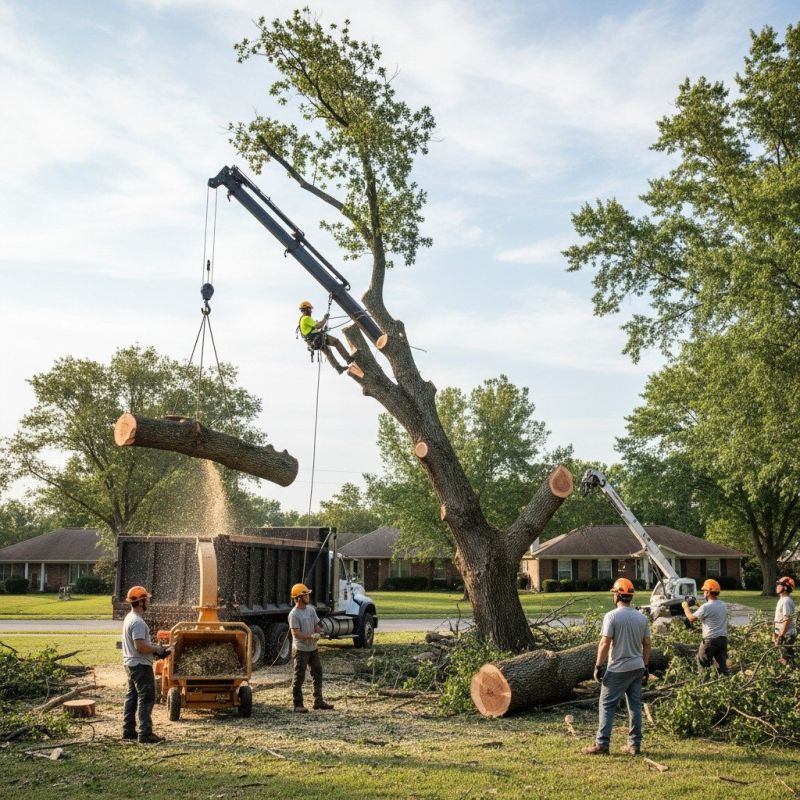
Dead tree removal services involve the safe and efficient removal of trees that are dead, dying, or pose a hazard to the property. This type of project typically includes assessing the condition of the tree, planning the safest method of removal, and performing the work to prevent damage to surrounding landscaping or structures. Property owners often request this service when a tree shows signs of decay, becomes unstable, or has become an obstacle in yard development or maintenance efforts.
Before requesting dead tree removal, homeowners should consider the location of the tree, the potential impact on nearby structures or utilities, and any local regulations or restrictions regarding tree removal. It is also helpful to understand whether the removal will involve stump grinding or if additional cleanup will be needed afterward. Clear communication about these factors can help ensure the project proceeds smoothly and aligns with property management plans.
Many property owners in Allentown, PA look into Dead Tree Removal for repairs, replacements, upgrades, and appearance-related improvements.

Reasons For Dead Tree Removal
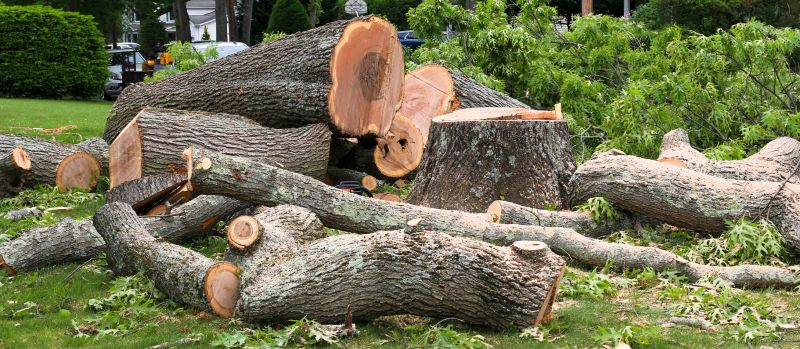
Removing dead trees helps prevent potential property damage and safety hazards.
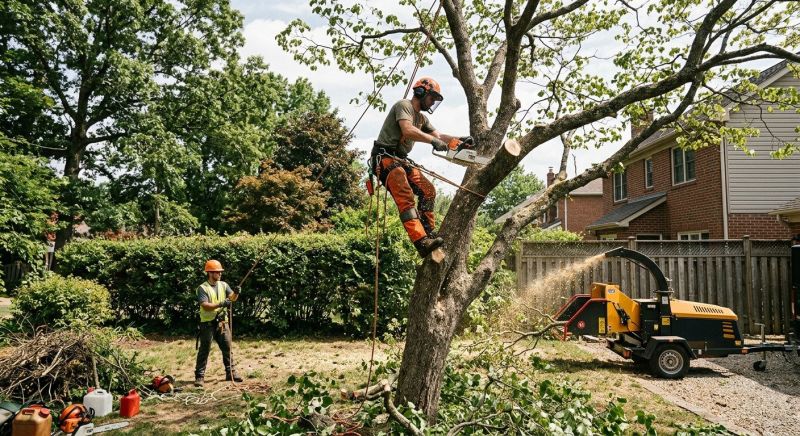
Signs A Tree Needs Removal
Indicators include dead branches, fungal growth, and leaning trunks that compromise stability.
Benefits Of Professional Removal
Expert services ensure safe and efficient removal while protecting surrounding landscape and structures.
Dead Tree Removal in Allentown, PA

Dead tree removal services involve the safe and efficient removal of trees that are dead, dying, or pose a hazard to the property. This type of project typically includes assessing the condition of the tree, planning the safest method of removal, and performing the work to prevent damage to surrounding landscaping or structures. Property owners often request this service when a tree shows signs of decay, becomes unstable, or has become an obstacle in yard development or maintenance efforts.
Before requesting dead tree removal, homeowners should consider the location of the tree, the potential impact on nearby structures or utilities, and any local regulations or restrictions regarding tree removal. It is also helpful to understand whether the removal will involve stump grinding or if additional cleanup will be needed afterward. Clear communication about these factors can help ensure the project proceeds smoothly and aligns with property management plans.
Many property owners in Allentown, PA look into Dead Tree Removal for repairs, replacements, upgrades, and appearance-related improvements.
Common Dead Tree Removal Jobs
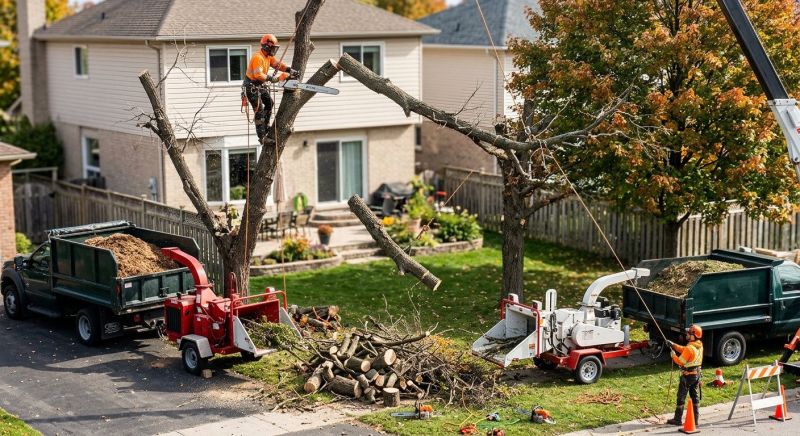
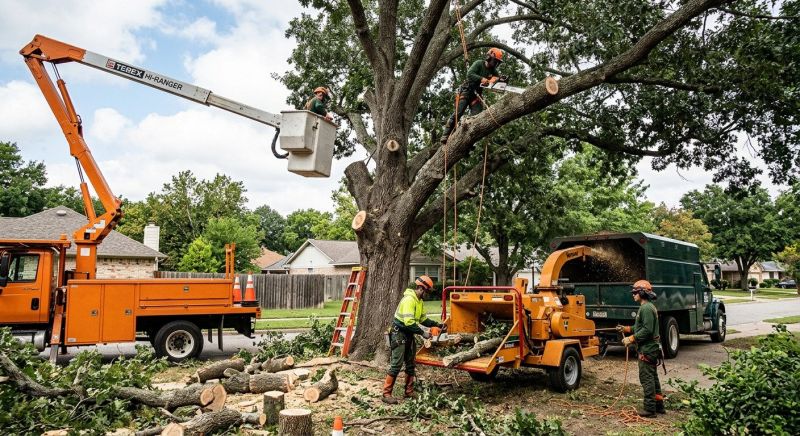
Dead tree removal - safely eliminates hazardous or unwanted trees from the property.
Storm-damaged tree removal - clears trees that have fallen or are at risk of falling after a storm.
Overgrown tree removal - reduces tree size to improve yard safety and aesthetics.
Emergency tree removal - provides quick response for trees threatening structures or power lines.
Stump removal - removes remaining stumps to prevent regrowth and improve landscape appearance.
Selective tree removal - targets specific trees to manage growth and maintain landscape health.

Dead Tree Removal Questions
Why remove a dead tree? Removing dead trees helps prevent potential hazards such as falling branches or the entire tree collapsing, protecting property and safety.
What signs indicate a tree is dead? Signs include lack of leaves, brittle or cracked branches, and visible decay or disease on the trunk.
Is dead tree removal necessary for all dead trees? Not always, but if a dead tree poses a risk to structures, power lines, or people, removal is recommended.
What are common reasons for removing a dead tree? Reasons include safety concerns, aesthetic improvements, or preparing a site for new landscaping or construction.
Request Dead Tree Removal in Allentown, PA
Use the quote form on this page to share the basics of your project and request more information for the type of work you need.